


Medical Assisting
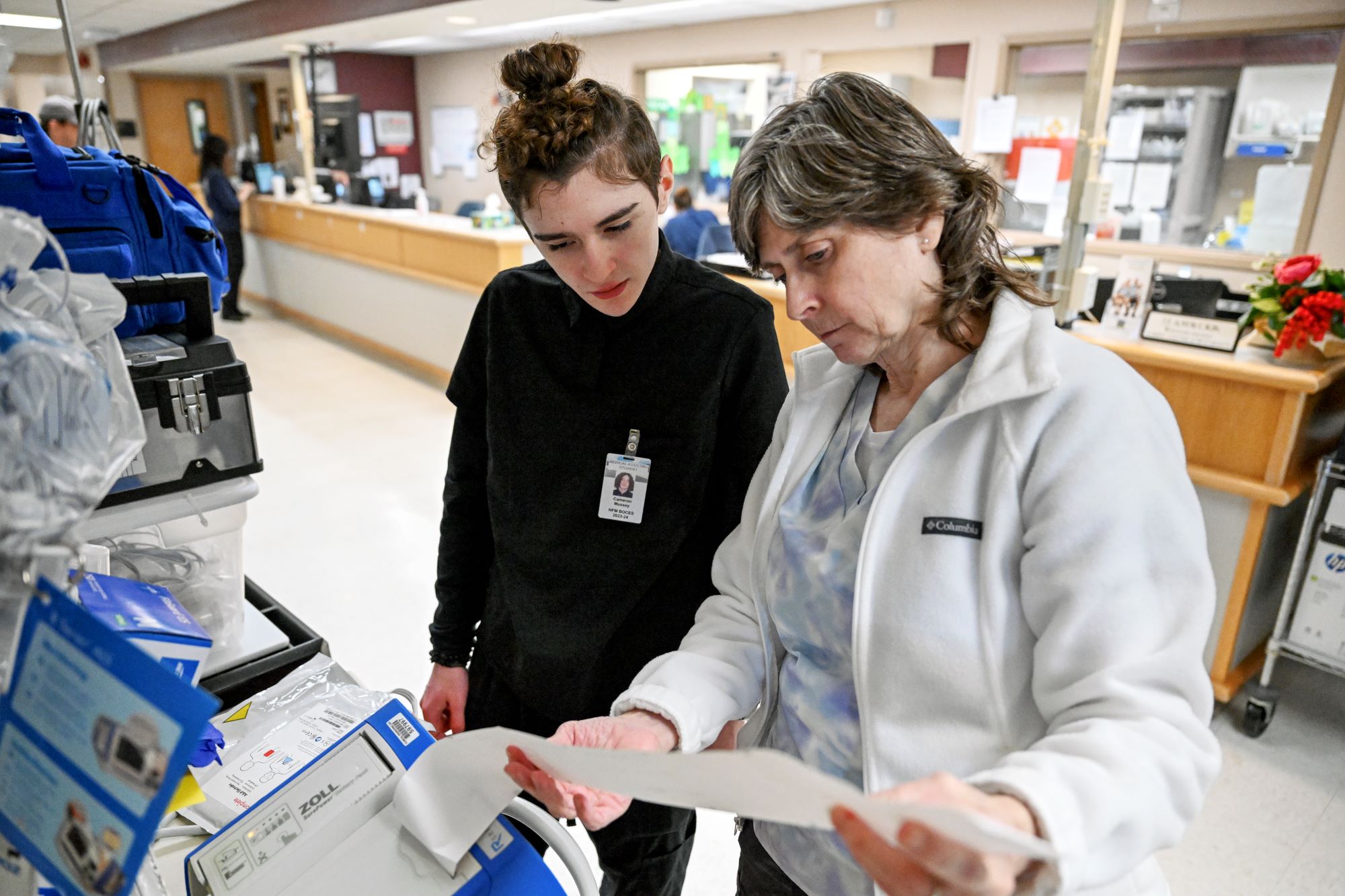
The HFM CTE Medical Assisting program prepares students to become nationally Certified Clinical Medical Assistants. Medical Assistants are Allied Health Professionals who perform administrative, clinical and laboratory duties under the direct supervision of a physician.
Medical Assistants work in a variety of settings including clinics, physician offices, outpatient centers and hospitals. The HFM CTE Medical Assisting program prepares students for achieving future career goals in the medical field. Students have access to a CTE lab where they can role play and practice skills they will need in clinical settings. Students participate in a minimum of 108 hours of “clinical” or work-based learning as part of this program.
HFM CTE Medical Assisting students have the opportunity to participate in a Medical Explorers student internship with St. Mary’s Healthcare.
Duties of Medical Assistants are Administrative and Clinical.
Clinical duties may include:
• Medical Histories
• Patient Examinations
• Phlebotomy
• Medication Administration
• Electrocardiogram
• Collecting and Performing Basic Lab Tests
• Wound Care
Administrative duties may include:
• Computer Applications
• Telephone Communications
• Scheduling
• Welcoming Patients
• Medical Records
Program Objectives:
- Within the Anatomy and Physiology component, students will gain an in-depth understanding of the human body, its parts, systems and functioning.
- Students will observe a variety of careers in the hospital/related settings to assist them in planning and establishing future employment goals.
- Real-life work settings will help students gain the maturity and professionalism to work in a health care setting and pursue related studies at the college level.
- Students will demonstrate behavior consistent with the medical, legal and ethical standards of the profession, including performance of assigned duties and teamwork.
Elements of Course Content:
- Medical Terminology
- Administrative Practices & Procedures
- Anatomy & Physiology
- Laboratory and Diagnostic Procedures
- Psychology
- Professionalism and confidentiality
- First Aid/CPR
- Pharmacology and Administering Medication
- Communication Skills
- Work-based learning (150 hours of clinical work)
High School Credit Earned:
One (1) Anatomy & Physiology credit available upon completion of either year at request of guidance counselor